Thomas

A clean and comfortable home plays an important role in everyday well-being, relaxation, and organization. Dusty surfaces, cluttered rooms, kitchen residue, and neglected bathrooms can gradually affect the appearance and usability of a living space. Effective home cleaning combines consistent routines, appropriate products, and practical methods to create an environment that feels fresh, welcoming, and easier to maintain. With busy schedules and competing responsibilities, homeowners increasingly benefit from cleaning solutions that deliver reliable results without making household maintenance unnecessarily complicated.
Understanding how cleaning habits influence indoor comfort can help residents establish better routines, manage household tasks efficiently, and make informed decisions about maintaining their properties.
Why a Clean Home Matters
A well-maintained home provides a more comfortable setting for daily activities. Clean floors, organized storage areas, fresh linens, and regularly maintained surfaces contribute to a pleasant living environment. Consistent cleaning also helps prevent dirt and grime from accumulating in frequently used spaces.
Different rooms require different approaches. Kitchens need careful attention to food preparation areas, while bathrooms require regular fixture cleaning and moisture management. Bedrooms benefit from clean bedding and dust control, and living rooms often need frequent vacuuming because of everyday activity.
According to the American Time Use Survey published by the U.S. Bureau of Labor Statistics, household activities are among the many responsibilities competing for people’s time. Because cleaning must fit alongside employment, childcare, and leisure, practical routines can help homeowners maintain their properties without allowing chores to become overwhelming.
Statistics and Research Behind Effective Cleaning
Research-informed cleaning practices emphasize consistency, appropriate sanitation, and controlling conditions that contribute to household dirt and moisture. Although cleaning requirements vary between properties, several established principles help guide effective maintenance.
1. Indoor dust requires regular attention. Household dust can contain fibers, soil, pollen, and other particles introduced through everyday activities. Dusting with suitable cloths and vacuuming appropriately help reduce visible buildup, although these activities cannot eliminate every airborne particle.
2. Frequently touched surfaces deserve attention. Door handles, light switches, taps, and appliance controls are regularly contacted throughout the day. Cleaning these surfaces according to their use supports household hygiene.
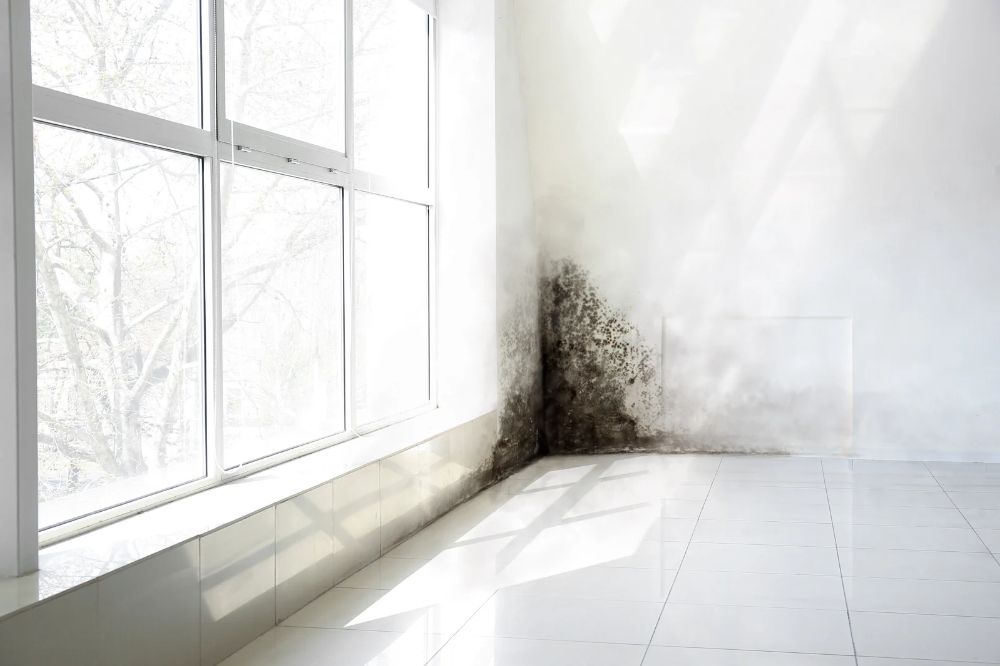
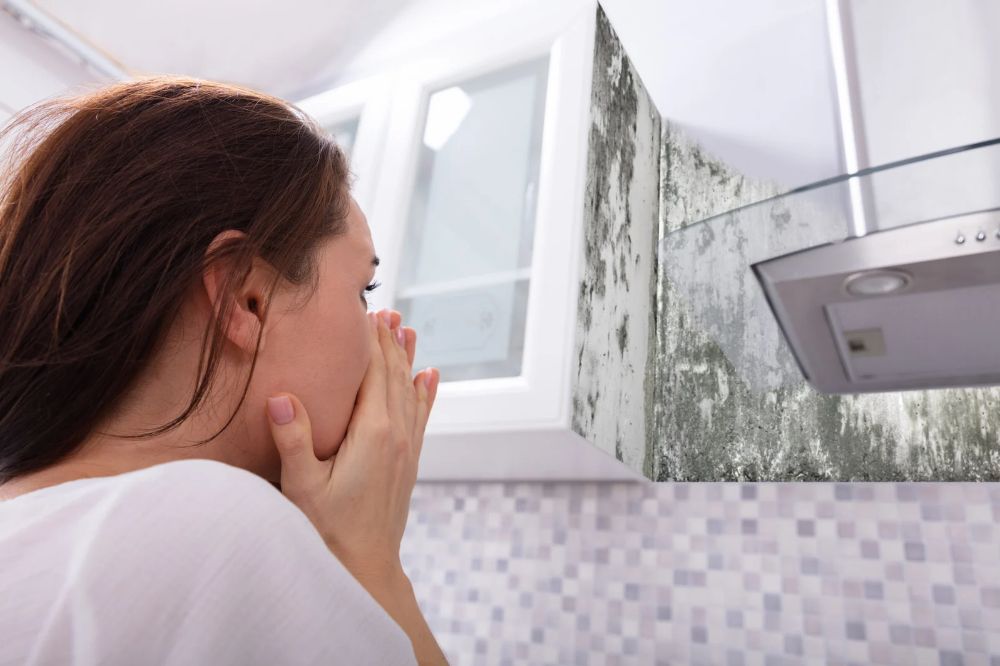
3. Moisture management is essential. Bathrooms, kitchens, and laundry areas can experience elevated humidity. Adequate ventilation, prompt repairs to leaks, and drying wet surfaces help reduce conditions that encourage mold growth.
4. Consistent maintenance improves manageability. Regularly addressing small cleaning tasks helps prevent excessive buildup and makes household chores easier to organize.
These principles offer a practical foundation for maintaining a home. When using numerical statistics in cleaning-related decisions, homeowners should look for credible sources that identify the measurement method, publication date, and population studied.
Practical Cleaning Solutions for Every Room
An effective household routine focuses on the specific needs of individual spaces rather than treating every room identically.
Kitchen Cleaning
Kitchens require frequent maintenance because food preparation and cooking can leave grease, crumbs, and spills. Wipe counters after use, clean appliance handles, wash dishes promptly, and remove household waste regularly. Food-contact surfaces should be cleaned with products appropriate for their intended use.
Paying attention to sinks, cabinet handles, and frequently used appliances helps maintain a more orderly cooking environment.
Bathroom Maintenance
Bathrooms benefit from regular cleaning of toilets, sinks, showers, taps, and other commonly used fixtures. Removing visible residue and drying wet surfaces can support cleanliness and help manage moisture.
Proper ventilation is particularly important in areas exposed to steam. Persistent leaks or recurring mold growth should be addressed at their source rather than relying exclusively on surface cleaning.
Bedroom Care
Bedrooms can feel more inviting when bedding is changed regularly, floors are maintained, and furniture is kept free from excessive dust. Organized wardrobes and storage spaces also make it easier to keep clothing and personal belongings in order.
Living Room Organization
Living areas often experience substantial daily activity. Vacuuming carpets, cleaning suitable hard floors, wiping furniture, and returning items to designated storage locations can help preserve a comfortable atmosphere.
Choosing Suitable Cleaning Products and Equipment
Selecting appropriate supplies can improve cleaning efficiency while protecting household surfaces. Microfiber cloths can help collect dust, vacuum cleaners remove debris, and surface-specific products address everyday residue.
Product safety should remain a priority. Always follow label directions, use suitable ventilation, and store cleaning supplies away from children and pets. Never mix cleaning chemicals unless their manufacturers explicitly confirm that the combination is safe. In particular, mixing bleach with ammonia or acidic cleaners can release dangerous gases.
Homeowners should also consider product sensitivities, delicate materials, and any special instructions associated with flooring, countertops, or furniture.
Reusable cloths and measured product quantities may help reduce unnecessary waste. However, environmentally friendly labels should not replace careful evaluation of ingredients, intended uses, and safety instructions.
Build a Cleaning Schedule That Works
A realistic schedule makes household maintenance more predictable. Daily tasks may include washing dishes, wiping kitchen counters, managing spills, and clearing clutter. Weekly activities can include vacuuming, mopping, cleaning bathroom fixtures, and changing bed linens.
Monthly or seasonal tasks may involve cleaning accessible windows, washing selected fixtures, and addressing areas that receive less frequent attention.
The right schedule depends on property size, occupancy, pets, and personal preferences. Families with children may require more frequent floor care, while smaller households may need fewer routine tasks.
Breaking chores into manageable activities often makes it easier to maintain consistency than attempting to complete every task in one session.
Frequently Asked Questions
How often should a home be cleaned?
Kitchen surfaces and visible spills may require daily attention, while vacuuming, mopping, and bathroom maintenance can often follow a weekly schedule. Individual needs will vary.
What is the most efficient cleaning method?
Begin by removing clutter, clean higher surfaces before lower ones, and finish with floor care. This sequence helps avoid repeating tasks.
Can regular cleaning improve indoor comfort?
Yes. Dust removal, suitable surface cleaning, waste management, and moisture control can contribute to a more comfortable indoor environment.
How can homeowners save time on cleaning?
Use a written checklist, keep supplies accessible, divide larger tasks into smaller activities, and address spills promptly.
Conclusion
Creating a healthier and more inviting home begins with practical routines and consistent attention to essential household tasks. Appropriate products, room-specific cleaning methods, moisture management, and organized storage all contribute to effective maintenance. By choosing a realistic schedule and addressing everyday messes before they accumulate, homeowners can maintain comfortable living spaces without unnecessary stress. The most successful approach is one that balances cleanliness, safety, efficiency, and the specific needs of the people who live in the home.