Thomas
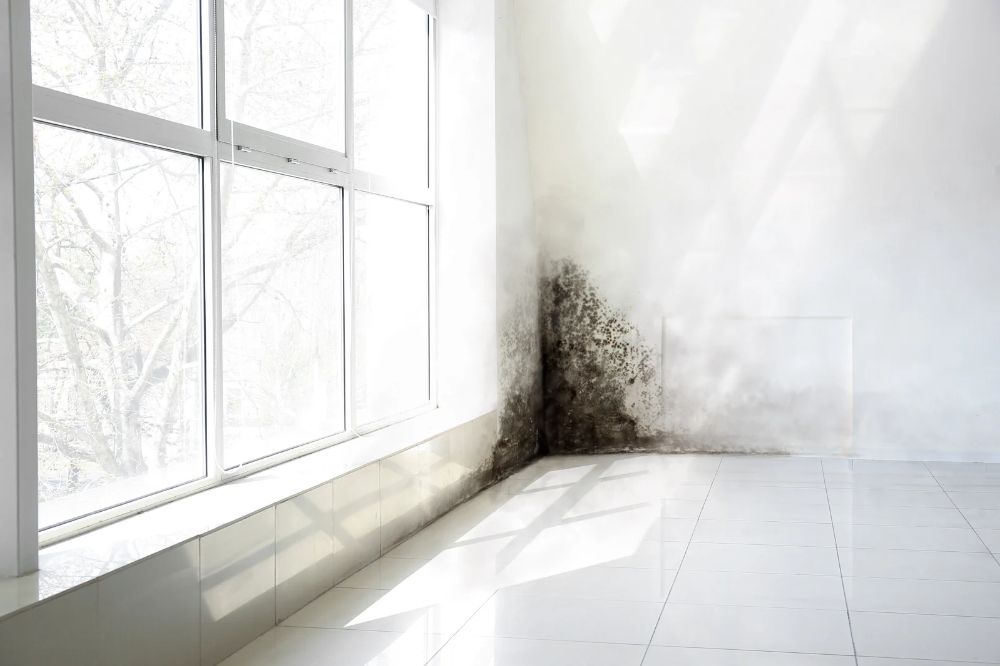
The first hard freeze shows up, and so do the wet windows. Water beads on the glass overnight, slides down, and sits in a little puddle on the sill.
Most people wipe it off, or just wait for the sun to dry it by lunch. That works for a week. By February, a lot of those same sills have gray and black specks in the corners and along the caulk.
This is one of the most common winter mold problems in Denver homes, and one of the easiest to stop if you catch it early.
Why Denver Windows Sweat When the Air Outside Is So Dry
Denver’s outdoor air is dry, but the air inside your house isn’t. Showers, cooking, boiling water, laundry, houseplants, a humidifier, and simply breathing all add moisture to a closed-up winter home.
On a cold night, the window glass is usually the coldest surface in the room. When warm, damp indoor air touches it, the air cools down and drops its water on the glass.
That water runs down and collects where the glass meets the frame, which is why the sill is where the trouble starts.
Older homes get hit hardest. Single-pane glass and aluminum frames, still found in plenty of older Denver and Aurora houses, run colder than newer insulated windows and sweat more.
How a Wet Sill Turns Into a Moldy Sill
Mold needs three things, which are moisture, something to feed on, and time. A window sill gives it all three.
Painted wood, the drywall around the window, caulk, and the dust that settles on a sill are all food. The condensation supplies the water every single morning.
The EPA says water-damaged areas should be dried within 24 to 48 hours to prevent mold growth. A sill that gets soaked again every night never really dries out, so it never leaves that window.
Over a few weeks, the water works its way under the paint and into the end grain of the wood. Paint bubbles, the wood darkens, and the growth spreads where you can’t see it.
The worst spots hide behind blinds, under heavy curtains, and behind furniture pushed against the window wall. Those areas stay cold and damp longest.
About the “Black” in Black Mold
Sill mold usually looks black or very dark green, which is why people jump to the scary headlines. Color doesn’t tell you what species it is.
The CDC’s advice is simple. Remove any mold you can see or smell, whatever type it is, and don’t spend money testing it to find out which kind you have.
Signs Condensation Has Already Done Damage
Walk your windows on a cold morning and look for these:
- Gray, black, or green specks in the corners of the sill or along the caulk line
- Peeling, bubbling, or flaking paint on the sill or the wall just below it
- Wood that feels soft when you press it with a fingernail
- Brown or yellow water stains on the drywall under the window
- A musty smell when you open the blinds or pull back the curtains
- Dark buildup in the tracks of sliding windows or patio doors
One spot is a warning. Several of these on the same window usually means the moisture has gone past the surface.
How to Stop Window Condensation This Winter
Measure Your Indoor Humidity First
A basic hygrometer costs a few dollars and takes the guessing out of it. The EPA recommends keeping indoor humidity below 60 percent, ideally between 30 and 50 percent.
On the coldest Denver nights, even a reading in that range can make old glass sweat. If your windows are wet in the morning, the humidity is too high for those windows on that day.
Turn Down the Humidifier
Whole-home and room humidifiers are popular here because the winter air feels so dry. They can also push indoor humidity past what older windows can handle.
Lower the setting a little each day until the windows stay dry in the morning, then leave it there.
Get Moisture Out at the Source
Run the bathroom fan during every shower and for a while after. Use the range hood when you cook, as long as it actually vents outside.
Don’t dry laundry on racks indoors during cold snaps. Check that the dryer vent is connected and blowing outdoors, not into the laundry room.
Let Warm Air Reach the Glass
Open blinds and curtains during the day so room air can warm the window. Keep furniture a few inches off the window wall.
Make sure the heat registers under your windows aren’t blocked by rugs, couches or storage bins.
Wipe and Dry Every Morning
Keep a microfiber towel near the worst windows and dry the glass, frame, and sill each morning. Don’t forget the tracks on sliders.
It takes a minute and removes the daily soaking mold depends on.
Clean Small Spots the Right Way
On hard surfaces like glass, vinyl, and metal frames, soap and water or a household cleaner does the job. If you use bleach, the CDC says no more than 1 cup per gallon of water.
Never mix bleach with ammonia or other cleaners, since the combination gives off toxic gas. Open a window and wear gloves and eye protection while you clean.
When the Sill Is Past a Wipe-Down
Surface spots on vinyl or glass are a cleaning job. Soft wood, stained drywall under the window, or mold that keeps coming back after you clean it are a different story.
Those signs usually mean water has moved into the sill, the framing, or the wall cavity. Cleaning the surface won’t reach it.
At that point, it’s worth having a professional open the area up. A local mold remediation team like RestoPros of East Denver can trace how far the moisture went and remove the damaged material before spring.
The window itself may need new caulk, new seals, or replacement too, or the problem will be back next winter.
Keep the Sills Dry and the Mold Stays Away
Condensation that’s gone by noon still did its damage overnight. Every morning it sits on the sill; it feeds the next patch of mold.
Measure your humidity, cut the moisture at the source, and dry the windows daily through the cold months. If the wood is already soft or the stains keep spreading, get it looked at now instead of in April.