Thomas
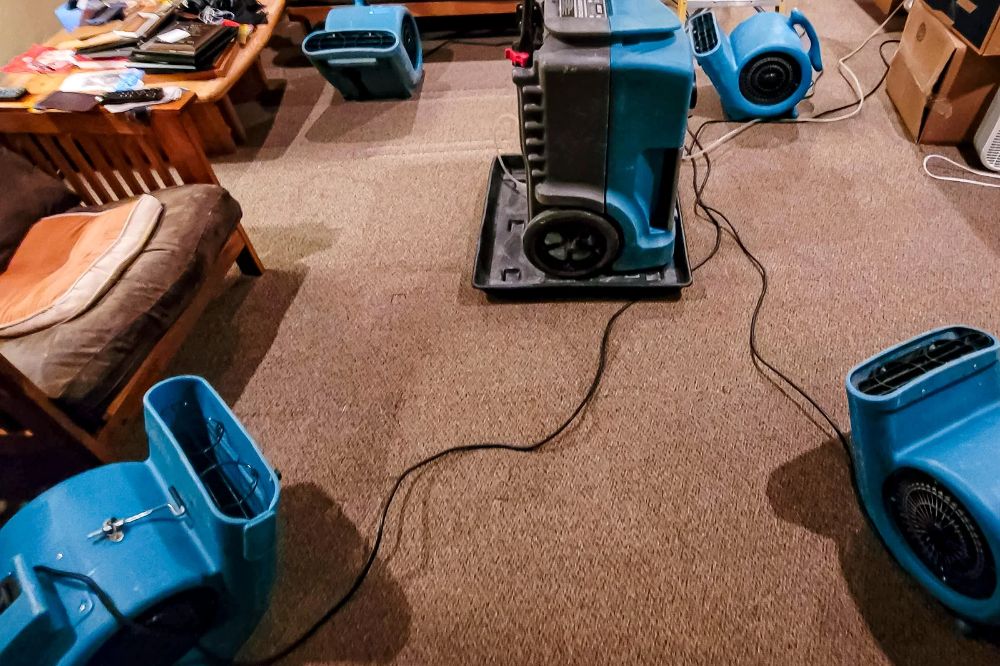
Every restoration contractor has had this job. The scope looks simple on paper, then you open the front door and find a house packed wall to wall with furniture, boxes and forty years of family life.
Planning the extraction or soot cleanup is the easy part. The hard part is reaching walls, floors and subfloor when a sectional, a piano and a garage full of totes are in the way.
Here’s how experienced crews keep these jobs on schedule without losing items, frustrating homeowners or giving the adjuster something to question.
Why a full house slows everything down
Contents slow a job in ways that don’t show up on the estimate. Crews lose hours moving furniture from one room to the next, then moving it back when the work shifts.
Wet belongings also keep putting moisture back into the air you’re trying to dry. A stack of soaked cardboard boxes in a back bedroom can hold a room’s readings up for days.
Timing matters here. The EPA’s guide to mold, moisture and your home says water-damaged areas and items should be dried within 24 to 48 hours to prevent mold growth. Hitting that window is much harder when the room is full.
Every extra move also risks breakage. A cracked dresser mirror from shuffling things around becomes one more line on the claim.
Decide early what stays, what goes and what can’t be saved
Walk the house before the first fan goes in
Take twenty minutes with the homeowner before any equipment comes off the truck. Go room by room and look at what’s actually there.
You’ll quickly see which rooms are light enough to work around and which ones need to be emptied completely.
Sort everything into three groups
Items that need to come out go to cleaning or storage. Items that can stay get blocked, padded and covered in an unaffected area of the house.
Anything that can’t be saved gets photographed and documented before it goes anywhere. Get the adjuster and homeowner to sign off before disposal, so nobody is arguing later about what happened to the recliner.
Inventory is what keeps the claim moving
A loose pack-out turns into a slow claim. If you can’t say what was in the box, what condition it was in and where it is now, someone will ask, and the job stalls until you answer.
Photograph every item before it’s packed. Number each box, tie it to the room it came from, and write a short note on its condition.
This is the stage where a lot of contractors bring in specialists. In the Denver metro, many restoration teams hand the work to a dedicated contents pack-out crew so their own techs can stay on drying and demo.
A good contents partner photographs and inventories each item before it leaves the house. They track it through a chain of custody and keep it in a climate-controlled facility until the rebuild is finished.
Pack out in phases, not all at once
You rarely need the whole house empty on day one. Start with the rooms where demo or drying begins first and work outward from there.
Pick one unaffected room or the garage as a staging area. Keep a clear path from every work zone to the door so crews never have to climb over boxes.
Label each box with two things: the room it came from and where it’s headed. That one habit saves hours when it’s time to bring everything back.
Keep the homeowner in the loop
People get anxious when trucks drive off with their belongings. A little communication heads off most of the angry phone calls.
Before packing starts, help the family set aside an essentials box with medications, IDs, important papers, chargers and school supplies. Those items should never end up in storage.
Give them a copy of the inventory and a rough timeline. When they know where their things are and when they’ll come back, they stop calling the office every day.
Plan the pack-back before you need it
Pack-back often gets left until the last minute, and the job end slips because of it. Line up the return with the rebuild schedule while you’re still in mitigation.
Only bring items back into finished rooms. Furniture set down on fresh floors before the trim is done just gets moved again.
Use the room labels to put each box where it belongs, then walk the house with the homeowner and a checklist. A clean sign-off closes the job and keeps the final invoice from getting held up.
The jobs that finish on time
Full-house losses don’t have to drag. When contents are sorted early, documented properly and moved in phases, crews spend their hours on restoration instead of rearranging furniture.
The contractors who plan the stuff as carefully as the structure are the ones whose jobs close on schedule.