Thomas
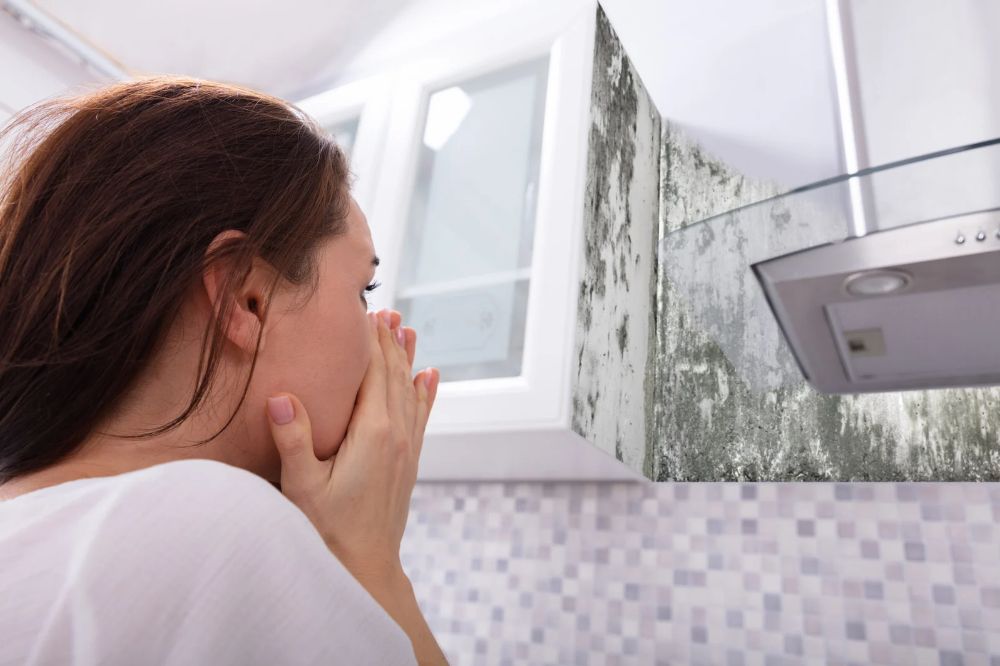
Mold in a rental puts two people in an awkward spot. The tenant lives with it every day, but the landlord owns the walls it’s growing on.
Who fixes it depends on what caused it, what the lease says and what Florida law requires. Here’s how that usually breaks down.
What Florida Law Asks of Landlords
Florida’s landlord-tenant law sets the baseline. Under section 83.51 of the Florida Statutes, a landlord must follow applicable building, housing and health codes.
Where no code applies, the landlord still has to keep the structure in good repair and the plumbing in reasonable working condition. Roof and plumbing leaks are common sources of mold, so this matters.
The statute has a limit. A landlord isn’t responsible for conditions caused by the tenant’s own negligence or by guests the tenant let in.
What Tenants Are Expected to Do
Tenants have duties too. Section 83.52 asks them to keep the unit clean, keep the plumbing fixtures they use sanitary, and avoid damaging the property.
In practice, it also means reporting leaks quickly. A slow drip under a sink can turn into a mold problem within days, and a landlord can’t fix what they don’t know about.
Who Fixes What
Situation |
Usually responsible |
Why |
|---|---|---|
|
Roof or window leak |
Landlord |
Structural repair duty |
|
Plumbing leak inside a wall |
Landlord |
Plumbing must stay in working order |
|
Mold from a leak the tenant never reported |
Can be disputed |
Delay may have made it worse |
|
Mildew from steam or poor cleaning |
Tenant |
Day-to-day upkeep |
|
Damage from a tenant’s spill or overflow |
Tenant |
Caused by the tenant’s actions |
Leases add detail, so read yours, including how repair requests should be made.
How to Report Mold the Right Way
Start with a written notice, even if you’ve already called. Describe where the mold is, how big the area looks, and any leak you’ve noticed.
Date the notice and keep a copy. Photos with a ruler or coin in the frame help show size and change over time.
Florida law gives the notice real weight. If a landlord materially fails to meet those duties within 7 days of written notice, section 83.56 lets the tenant end the lease, provided the notice says that’s the plan.
Rent withholding has its own strict rules, so talk to a tenant attorney or legal aid office before you try it.
Why the Fix Needs a Licensed Pro
Small spots of mildew on a bathroom tile can usually be cleaned with detergent and water. Larger growth is different. Once mold covers more than about 10 square feet, the EPA points people to its professional remediation guidance.
Florida licenses both mold assessors and mold remediators. State law also bars the same company from assessing and remediating the same property within 12 months, with a narrow exception for certain licensed contractors.
“Landlords sometimes ask one company to test and clean the same job, and Florida usually doesn’t allow that,” explains Cesar Hernandez Jr., whose team at BuildEase handles mold and water damage cases.
“Separating the assessment from the cleanup gives both the tenant and the owner a result they can trust.”
The order matters as well. Fixing the leak comes first, because cleaning mold off a wall that keeps getting wet only buys a few weeks.
Steps for Landlords
- Respond to written mold reports in writing, with a date for inspection.
- Find and repair the water source before any cleanup starts.
- Use a licensed mold assessor for anything beyond surface mildew.
- Hire a separate licensed remediator to do the removal.
- Keep the assessment, invoices, and clearance results on file.
Steps for Tenants
- Report leaks and musty smells in writing as soon as you notice them.
- Run bathroom fans and keep wet areas dry between showers.
- Don’t paint over mold or scrub large patches yourself.
- Photograph the area before and after repairs.
- Keep copies of every message to and from the landlord.
When Health Is a Concern
Some people react to mold more than others, including those with asthma or allergies. If anyone in the home has symptoms, tell a doctor about the mold and mention it in your notice to the landlord.
That record helps everyone. It shows when the problem was reported and how quickly it was handled, which is usually the first thing anyone asks once there’s a dispute.