Thomas
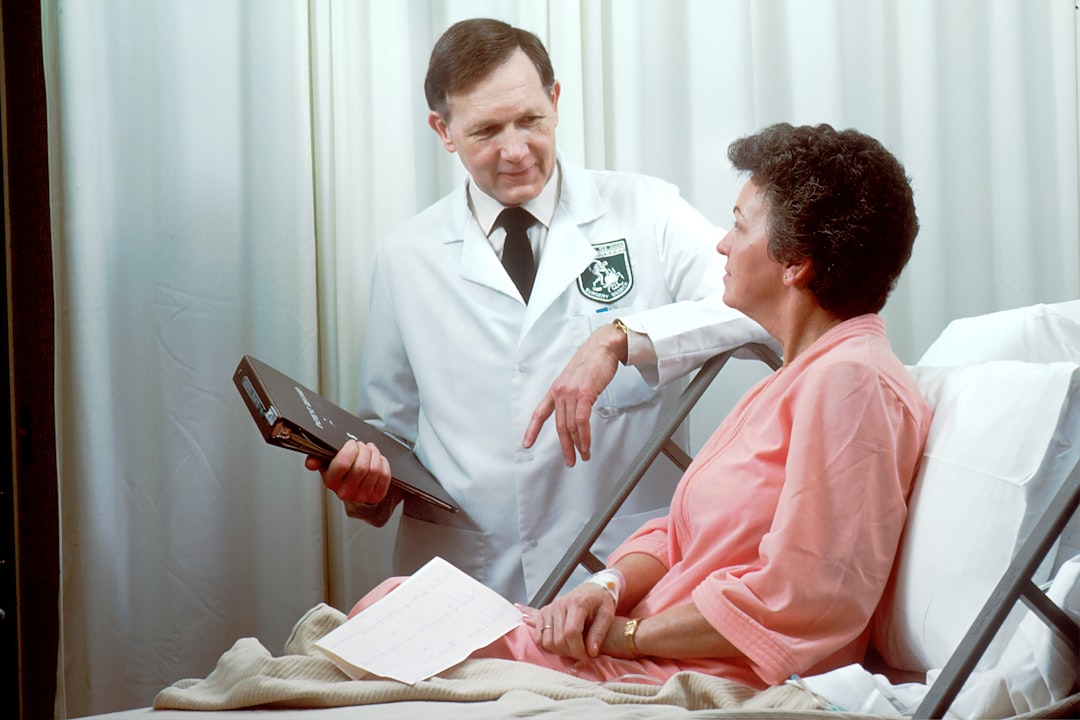
Orthopedic medicine plays an important role in maintaining movement, physical strength, and everyday independence. Patients seeking the best orthopedic doctor tampa often consider clinical expertise, personalized attention, diagnostic accuracy, and access to modern treatment approaches. A well-structured orthopedic evaluation can identify the source of a musculoskeletal concern and provide a practical treatment direction based on the patient’s symptoms, lifestyle, and long-term functional goals.
Contents
- Understanding the Scope of Orthopedic Care
- Why Detailed Diagnosis Matters
- Personalized Treatment for Different Needs
- The Development of Minimally Invasive Care
- The Value of Specialist Experience
- Supporting Recovery and Long-Term Function
- Choosing Orthopedic Care in Tampa
- Conclusion
Understanding the Scope of Orthopedic Care
Orthopedics covers a wide range of conditions involving bones, joints, muscles, tendons, ligaments, and the spine. These structures work together to support movement, balance, and physical activity, so problems in one area can sometimes influence overall function.
A specialist assessment considers more than the location of discomfort. Medical history, movement patterns, strength, flexibility, previous injuries, and other relevant factors can help create a complete picture of the patient’s condition.
Why Detailed Diagnosis Matters
Accurate diagnosis provides a strong foundation for effective treatment. During an orthopedic consultation, the physician may evaluate mobility, joint stability, muscle strength, posture, and other physical indicators. Imaging can also be useful when a closer view of bones, joints, discs, or surrounding structures is needed.
Combining clinical examination with diagnostic information helps specialists develop recommendations that are specific to the patient’s condition. This approach supports more focused care and helps patients understand the reasoning behind their treatment plan.
Personalized Treatment for Different Needs
Orthopedic treatment can involve several approaches depending on the diagnosis. Conservative care may include physical therapy, strengthening exercises, mobility work, medication, activity adjustments, or other supportive measures.
For conditions requiring procedural intervention, modern orthopedic medicine offers a variety of surgical techniques. The appropriate option depends on the affected structure, severity of the condition, overall health, and desired functional outcome.
The Development of Minimally Invasive Care
Technological improvements have influenced many areas of orthopedic and spine treatment. Minimally invasive procedures are designed to provide access to targeted areas while reducing unnecessary disruption to surrounding tissues.
Endoscopic spine procedures are one example within specialized spinal care. Using a small access point and specialized visualization equipment, surgeons can address selected spinal conditions through a focused approach. When appropriate, this technique can support a streamlined treatment and recovery experience.
The Value of Specialist Experience
Professional experience is an important consideration when selecting orthopedic care. Specialists with focused knowledge can provide a deeper understanding of particular musculoskeletal conditions and available treatment methods.
Communication is equally valuable. Patients should feel comfortable discussing symptoms, treatment preferences, recovery expectations, and everyday challenges. Clear explanations can make the overall healthcare experience more organized and reassuring.
Supporting Recovery and Long-Term Function
Treatment does not end when the initial procedure or clinical intervention is completed. Rehabilitation and appropriate activity progression can play an important role in restoring movement and strength.
Depending on the condition, patients may receive guidance regarding exercises, mobility, posture, and gradual return to normal activities. Continued follow-up allows progress to be monitored and provides opportunities to adjust recommendations when necessary.
Choosing Orthopedic Care in Tampa
Tampa offers access to specialized medical services for people seeking professional orthopedic evaluation. A thoughtful approach to choosing care includes considering relevant expertise, treatment options, communication, and the ability to provide individualized recommendations.
The most effective treatment plan is one that aligns clinical findings with the patient’s personal goals and physical requirements. This patient-centered perspective helps create a clear pathway from evaluation through recovery.
Conclusion
Orthopedic care combines medical expertise, detailed assessment, modern treatment methods, and rehabilitation to support healthy movement and physical function. For patients exploring orthopedic services in Tampa, a personalized consultation can provide valuable clarity about their condition and available options. With appropriate specialist guidance and a structured treatment plan, individuals can work toward greater mobility, improved comfort, and confident participation in everyday activities.