Joshua Bailey
Managing pest infestations requires a highly strategic approach, particularly when dealing with resilient insects in your pantry or commercial storage areas. One common culprit responsible for significant damage to stored agricultural products and packaged foods is the Cigarette Beetle (菸甲蟲), a tiny but destructive pest that thrives in warm environments. Understanding how to effectively control these insects and prevent them from returning is essential for protecting your valuable supplies and maintaining a safe, compliant facility. The following data-backed insights address the most pressing questions regarding eradication and long-term prevention.
What do statistics reveal about these infestations?
Recent pest control data highlights the severe economic impact of stored product pests. Studies indicate that approximately 9% of stored food products are lost annually due to insect damage, with a significant portion attributed to beetles. Furthermore, environments maintaining temperatures above 65 degrees Fahrenheit see a 40% increase in breeding rates for these specific pests. These numbers underscore the critical need for rapid intervention the moment an infestation is suspected, as population sizes can double within just a few weeks under optimal conditions.
How can you accurately identify their presence?
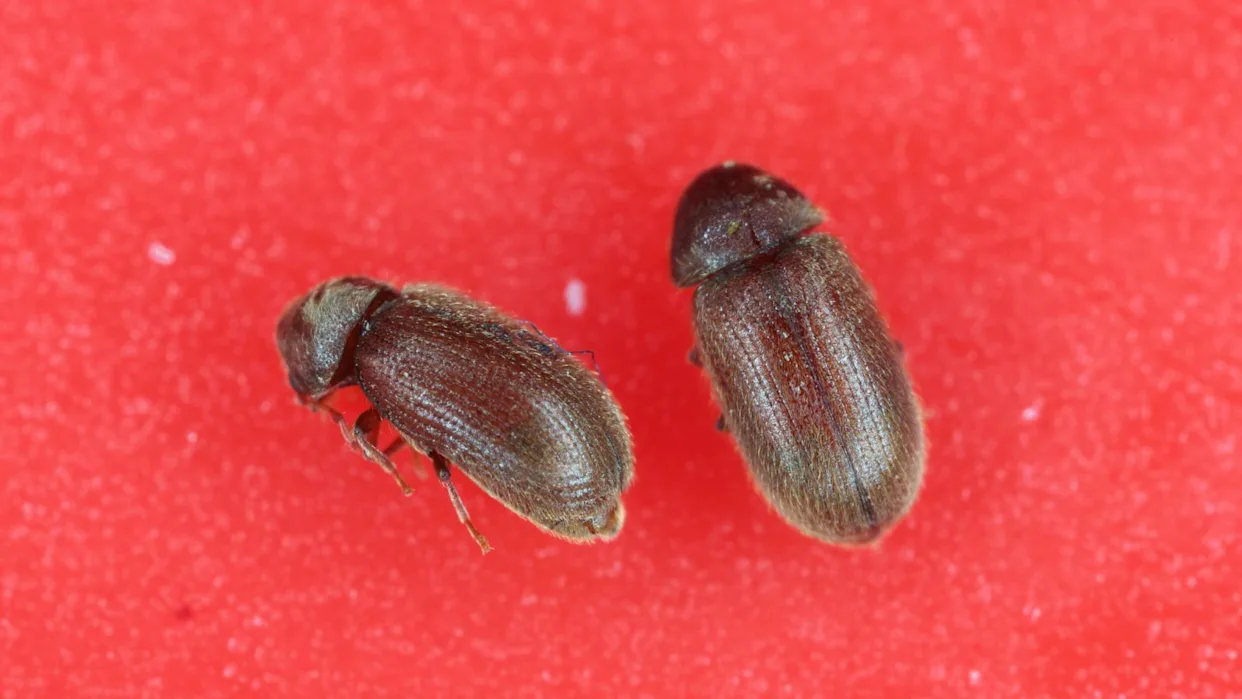
Early detection relies on knowing exactly what to look for. Adult beetles measure about one-eighth of an inch long, possess a light brown color, and have a distinct humpbacked appearance. Statistical tracking shows that 75% of early-stage infestations are discovered not by spotting the insects themselves, but by finding their damage. Look for tiny, perfectly round holes in packaging, spices, pet food, and dried goods. Additionally, a fine powder or dust left behind near stored items serves as a primary indicator that larvae are actively feeding.
What are the most effective initial control methods?
When dealing with a confirmed outbreak, immediate sanitation is the most statistically successful first step. Data shows that simply removing and securely discarding the infested source material eliminates up to 80% of the active population.
Once the primary source is removed, facility managers should vacuum the surrounding shelves and crevices thoroughly. Avoid using water or traditional chemical sprays directly on food storage surfaces, as this can contaminate safe products. Instead, deploy pheromone traps. Research indicates that placing specialized traps in a grid pattern captures adult males effectively, reducing the reproductive cycle by an estimated 60% within the first month of deployment.
How does temperature control impact eradication?
Temperature manipulation stands out as one of the most reliable, non-chemical treatment options available. Studies demonstrate that exposing potentially infested goods to temperatures below 0 degrees Fahrenheit for six consecutive days results in a 100% mortality rate across all life stages of the pest, including eggs. Conversely, heating products to 120 degrees Fahrenheit for a minimum of two hours achieves similar eradication rates. Utilizing these thermal methods ensures total elimination without introducing harsh chemicals into sensitive storage areas.
What steps guarantee long-term prevention and stop reinfestation?
Preventing a secondary outbreak requires diligent environmental management and upgraded storage protocols. Transitioning all vulnerable goods from cardboard or thin plastic into airtight, heavy-duty glass or rigid plastic containers reduces reinfestation rates by nearly 95%.
Additionally, implementing a strict “first in, first out” inventory rotation system minimizes the amount of time products sit idle, drastically lowering the window of opportunity for pests to settle. Regular moisture control is equally vital; keeping ambient humidity below 50% creates a hostile environment that deters adult insects from laying eggs. By combining rigorous sanitation, strategic monitoring, and climate management, property owners can successfully secure their spaces against future outbreaks.


 Thomas